May 14, 2026
Planning an event in Malaysia is exciting, but before the decor goes up and the guest list goes out, there's an important step most people underestimate: getting the right permits.
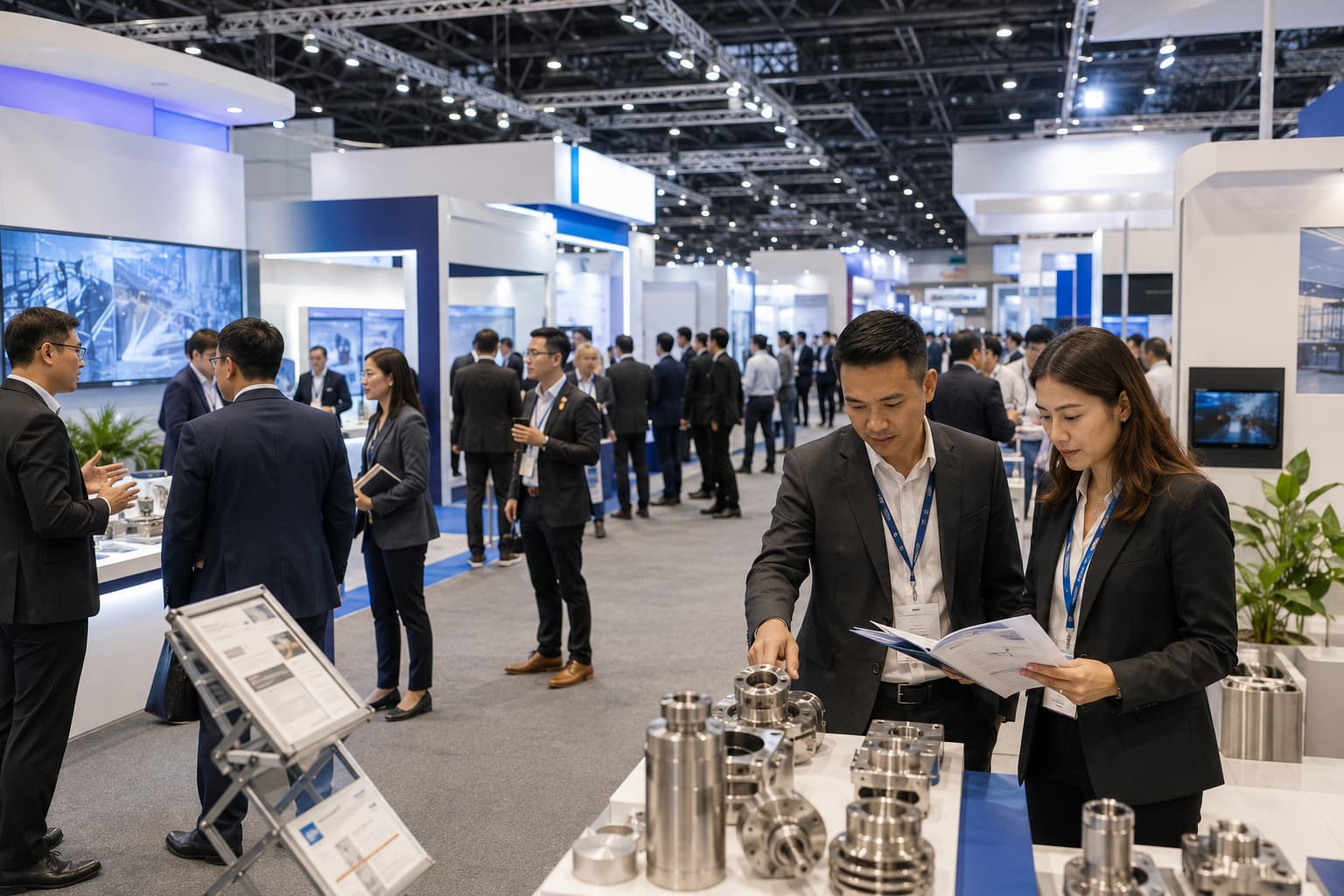
It doesn't matter if you're organizing a corporate conference for 200 executives, a product launch in a shopping mall atrium, or a street activation that draws foot traffic from all directions. In Malaysia, running an event without the correct event permits isn't just a risk. It can get your event shut down on the day itself. Nobody wants that.
So let's walk through what you actually need, where to get it, and how to avoid the most common pitfalls.
Malaysian regulations around public and private gatherings, entertainment, and the use of public spaces are clear and enforceable. These rules exist for good reasons: crowd safety, noise control, liability, and public order. When something goes wrong at an event without proper permits, the organizer is left holding full responsibility.
Beyond the legal side, permits also signal credibility. Venues, sponsors, and clients increasingly expect all documentation to be in order before a single setup crew arrives on site. If you're working with a professional event management company, this is typically handled for you, but if you're going it alone, here's what you need to know.
Not every event needs the same set of permits. The type, size, location, and nature of your event will determine which licenses apply. Here's a breakdown of the most common ones.
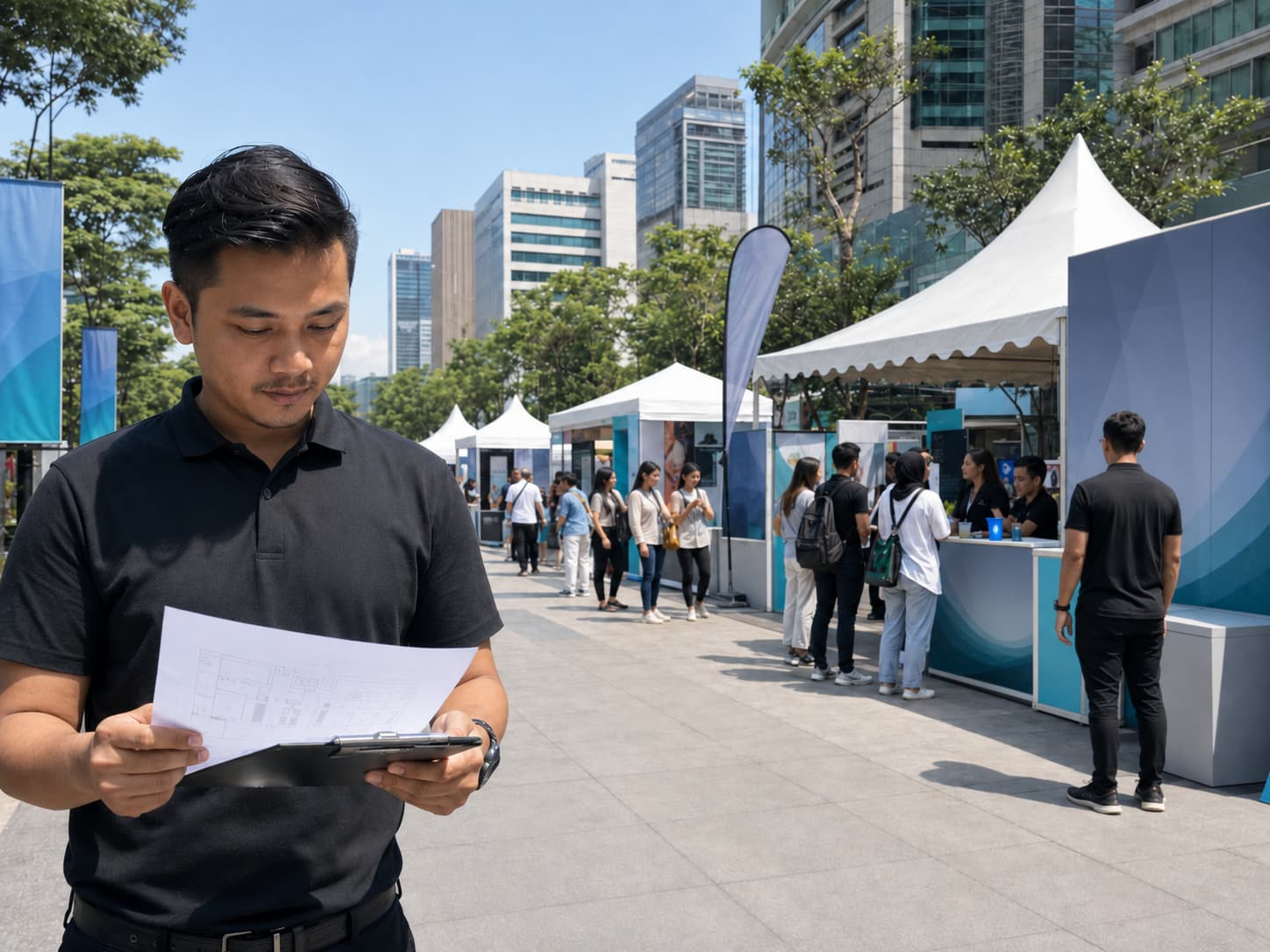
For any public gathering or outdoor event, a police permit from Polis DiRaja Malaysia (PDRM) is usually required. This applies to events held in open spaces, public parks, roadsides, or anywhere that involves foot traffic from the general public.
Under the Peaceful Assembly Act 2012, organizers must notify the Officer in Charge of the Police District (OCPD) at least 10 days before the event. For private events held in fully enclosed venues, this requirement may be waived, but it's always worth checking with your local police station to confirm before assuming you're exempt.
The city or municipal council governing your event's location has jurisdiction over how public and commercial spaces are used. In Kuala Lumpur, that's DBKL. In Petaling Jaya, it's MBPJ. In Shah Alam, it's MBSA, and so on across different states.
This is where your event venue permit comes in. If you're using a public park, a roadside space, a mall common area, or any venue under the council's purview, you'll need written approval from the relevant Pihak Berkuasa Tempatan (PBT). This approval often covers the physical use of the space, noise levels, and temporary structures like stages or tents.
Planning to have live performances, a DJ, a band, or any kind of stage entertainment? You'll need an entertainment license, also issued by the local council. This covers events with ticketed entertainment, concerts, cultural performances, and even some corporate gala dinners depending on the nature of the programming.
If your event has elements that fall under entertainment in Malaysian law, operating without this event license can result in fines or an on-site stoppage.
Jabatan Bomba Dan Penyelamat Malaysia (JBPM) sign-off is required for events that exceed a certain crowd capacity, involve temporary structures, or include pyrotechnics and special effects. Most large venues already hold fire safety certifications, but if you're erecting tents, custom-built stages, or large exhibition booths, a separate inspection and clearance may be needed.
This is especially relevant for outdoor events where there's no permanent venue infrastructure.
Depending on your event type, you may also need a few additional permits. If alcohol is being served, a liquor license from the local council or relevant state authority is required. Events with on-site catering need temporary food handler certificates for staff. Road closures require a separate permit filed through both PDRM and the local council. If your event involves public broadcasting or live-streaming as a broadcast, MCMC approval applies. And for international conferences or tourism-related events, clearance from the Ministry of Tourism, Arts and Culture (MOTAC) may also be necessary.
The application process varies by authority, but the general flow looks like this:
This cannot be said enough. The most common mistake organizers make is treating permits as an afterthought, leaving permit applications to the week before the event. By then, it's often too late. Some permits take weeks to process, and authorities rarely grant exceptions for tight timelines.
If you're working with a full-service event partner, permit management is usually part of the package. At The Magnet Group, the complete end-to-end permit process for every event we produce is handled in-house, covering everything from initial authority consultation to documentation submission and on-site compliance. It's one less headache for your planning team.
Malaysian event regulations can feel overwhelming at first, especially if you're new to organizing large-scale or public events. But once you understand which permits apply to your event type and build proper lead time into your planning, the process becomes manageable.
The key is to start early, document everything, and know which authorities to approach for your specific situation. If you'd rather focus on the event itself and leave the permits to people who deal with them every day, our team of event planners at The Magnet Group is ready to help. Whether it's conferences and product launches, outdoor activations, or gala dinners, we manage everything from concept to compliance so your event runs smoothly from the first approval to the final bow.