.jpg)
April 20, 2026
Planning a corporate event but unsure whether to host a conference or seminar? You're not alone. Many HR professionals and business owners in Malaysia struggle with this decision, and choosing the wrong format can impact your event's success and ROI.
Understanding the difference between conference and seminar is crucial for creating an event that achieves your objectives. While both formats serve valuable purposes in the business world, they cater to different needs, audience sizes, and engagement levels. Let's break down everything you need to know to make the right choice for your organization.

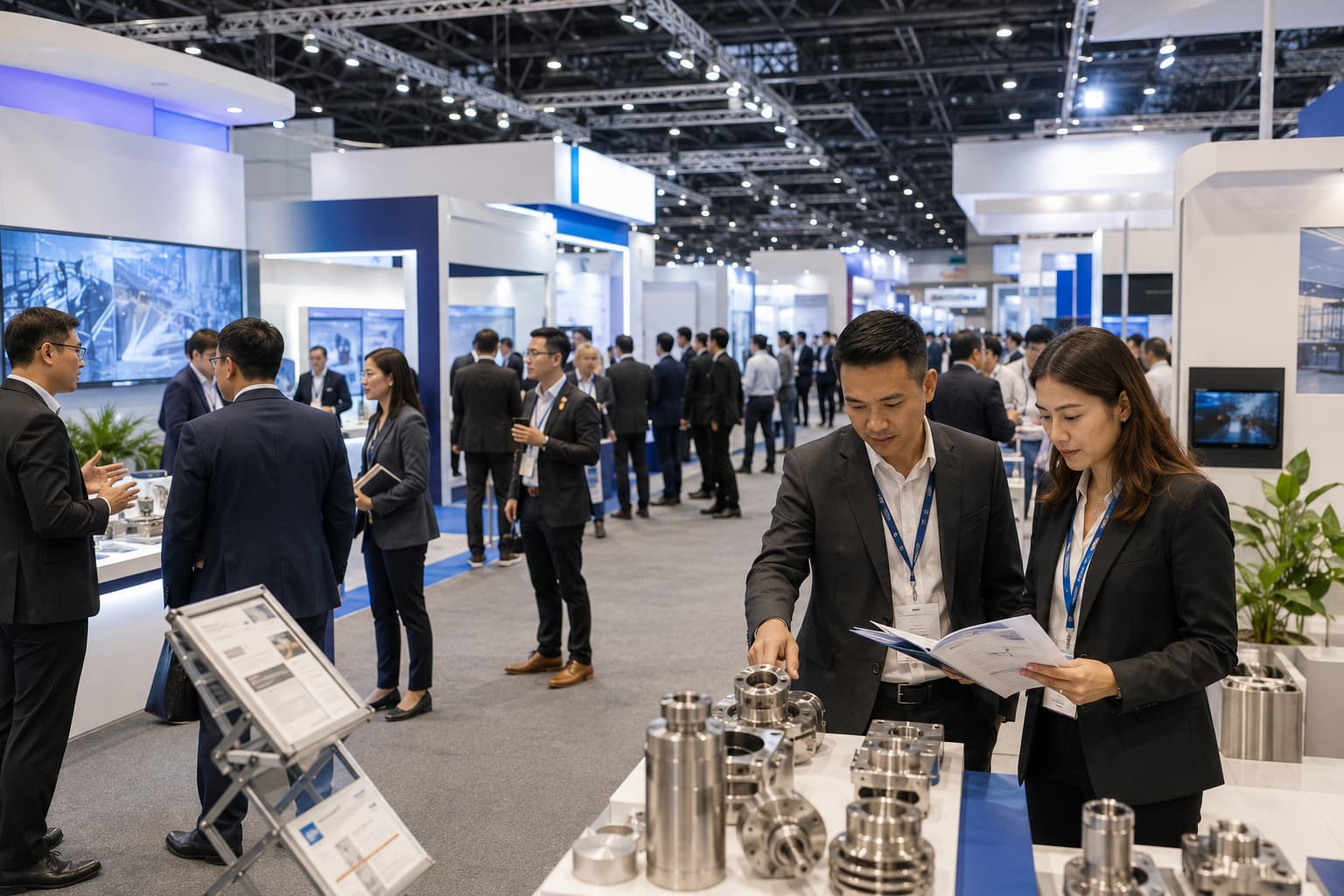
A conference is a large-scale, formal gathering that brings together industry professionals, thought leaders, and experts to discuss trends, share knowledge, and network. These events typically span multiple days and feature various sessions running simultaneously across different tracks or themes.
Conferences often include keynote presentations, panel discussions, breakout sessions, and exhibitions. They're designed to accommodate hundreds or even thousands of attendees, making them ideal for organizations looking to make a significant impact within their industry or community.
Think of conferences as comprehensive learning and networking ecosystems. Attendees can customize their experience by selecting sessions that align with their interests, while sponsors and exhibitors gain valuable exposure to a targeted audience.
A seminar is a more focused, educational event centered around a specific topic or subject matter. These gatherings are typically smaller and more intimate, allowing for deeper exploration of particular themes and more meaningful interaction between speakers and participants.
Seminars usually last anywhere from a few hours to a full day and follow a more structured agenda. The format emphasizes knowledge transfer, with expert speakers presenting detailed information followed by question-and-answer sessions or group discussions.
The seminar and conference difference becomes clear when you consider the learning approach. While conferences offer breadth across multiple topics, seminars provide depth on specific subjects, making them perfect for training, skill development, or addressing particular business challenges.
Understanding the conference vs seminar distinction requires looking at several critical factors that define each format.
Conferences aim to bring together a broad community for networking, industry updates, and knowledge sharing across multiple topics. They're about building connections, showcasing innovations, and positioning your organization as a thought leader.
Seminars focus on education and skill development within a specific subject area. The objective is to provide attendees with actionable insights and practical knowledge they can immediately apply in their work.
The difference between conference and seminar becomes most apparent in scale. Conferences typically accommodate hundreds to thousands of participants, featuring multiple concurrent sessions, exhibition halls, and various activity zones.
Seminars work best with smaller groups, usually ranging from 20 to 100 attendees. This intimate setting facilitates better interaction and ensures that participants can engage directly with speakers and subject matter experts.
Conferences are multi-day affairs, often spanning two to five days. They feature complex schedules with parallel sessions, allowing attendees to create personalized agendas based on their interests and needs.
Seminars are typically half-day or full-day events with a linear structure. Everyone follows the same agenda, ensuring all participants receive consistent information and training.
Conferences offer networking opportunities through breaks, lunches, and dedicated networking sessions, but the large scale can sometimes limit deep, one-on-one interactions during presentations.
Seminars encourage active participation through Q&A sessions, group discussions, and hands-on activities. The smaller setting creates a more collaborative environment where attendees can ask questions and engage in meaningful dialogue.
While we've covered the conference vs seminar comparison, it's worth noting where workshops fit into this spectrum. Workshops are the most hands-on and interactive format, typically focusing on practical skill-building through activities and exercises.
Workshops are usually the smallest events, often accommodating 10 to 30 participants. They emphasize learning by doing rather than just listening. If conferences are about breadth and seminars about depth, workshops are about application and practice.
Organizing a conference positions your company as an industry leader and creates significant brand visibility. You'll attract diverse stakeholders, from potential clients to industry influencers, all gathered in one place.
Conferences generate substantial networking value. Attendees forge new business relationships, partnerships emerge, and your organization becomes a connector within your industry ecosystem. The multi-track format also allows you to showcase various aspects of your expertise simultaneously.
From a revenue perspective, conferences offer multiple monetization opportunities through ticket sales, sponsorships, and exhibitor fees. They're excellent for launching new products or initiatives to a large, engaged audience.
Professional conference event planning ensures your large-scale gathering runs smoothly, from venue logistics to speaker management and attendee engagement.
Seminars excel at building deep expertise within your team or customer base. The focused nature allows for comprehensive coverage of specific topics, making them ideal for training sessions, product deep-dives, or addressing particular industry challenges.
The intimate setting of seminars creates stronger connections between your organization and attendees. Participants feel more valued and heard, leading to better information retention and higher satisfaction rates.
Seminars are also more cost-effective and easier to execute than conferences. You'll need fewer resources, simpler logistics, and less lead time, making them perfect for organizations looking to host regular educational events throughout the year.
With expert seminar event planning, you can create impactful learning experiences that drive real business outcomes.