April 20, 2026
While going around the city, you can find ads almost everywhere, including mobile phones, streets as well as inside apps. However, to make an impact, brands can no longer rely on traditional advertising. One way to engage better with consumers is to implement experiential marketing.
It allows consumers to experience it firsthand, which creates emotional connections and memorable interactions that will have a lasting impact even after the event is over. To learn more about experiential marketing, read on to find out!
Also known as experiential marketing, this strategy involves hands-on experiences designed to encourage consumers to engage and participate in an event, unlike traditional marketing. It creates immersive, interactive, and memorable experiences aimed at cultivating stronger connections with consumers. This approach involves creating events and campaigns that are interesting, engaging and fun, thus drawing more people to participate.
Traditional marketing uses one-way communication using common advertising and promotional methods such as ads on billboards, television commercials, flyers or digital ads, where the audience sees the message but may not actively engage with it.
Experiential marketing, on the other hand, focuses on two-way communication whereby consumers are invited to participate in activities, creating emotional responses. Experiential marketing creates a deeper engagement and trust, making consumers feel personally connected to the brand.
Experiential marketing offers several key benefits over traditional marketing. This includes:
Below are some of the popular types of experiential campaigns:
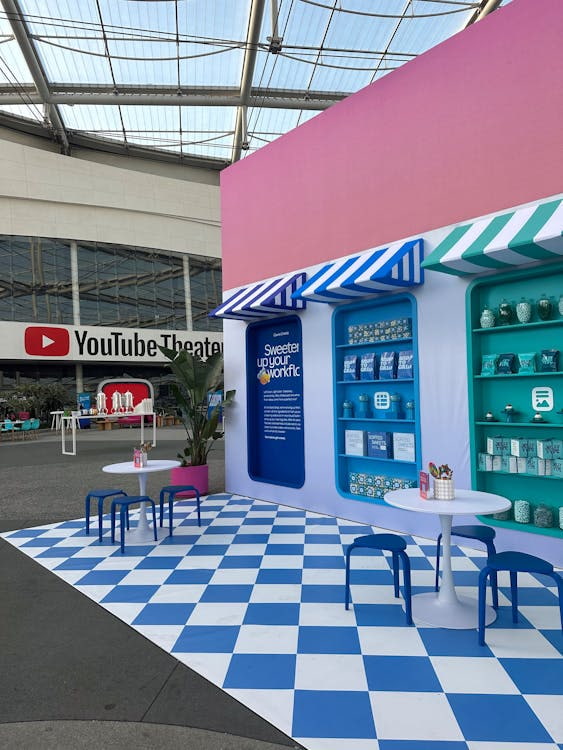
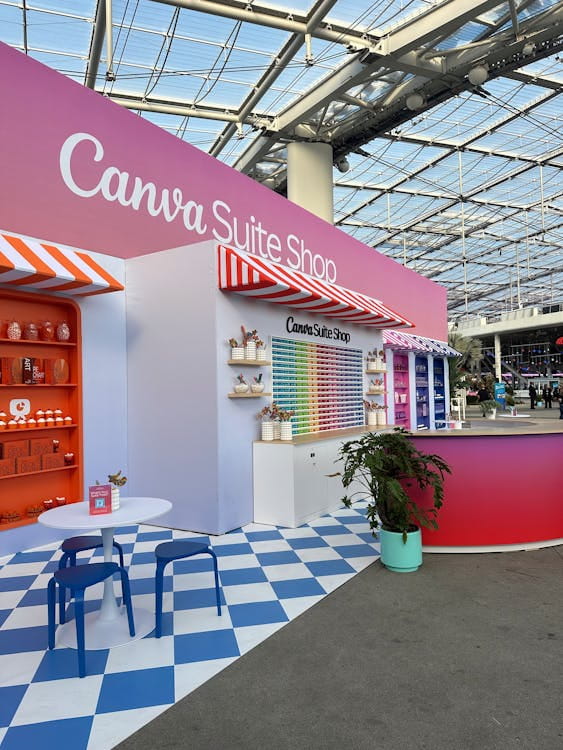
Pop-up events are one of the popular types of experiential marketing where interactive experiences are created so consumers can engage directly with the brand. There are various forms such as tasting booths, product try-ons, interactive installations in public spaces, and mobile tours, bringing brand experience to different locations.
These pop-up events are ideal for launching new products or testing new markets, as they generate excitement and high social media buzz.
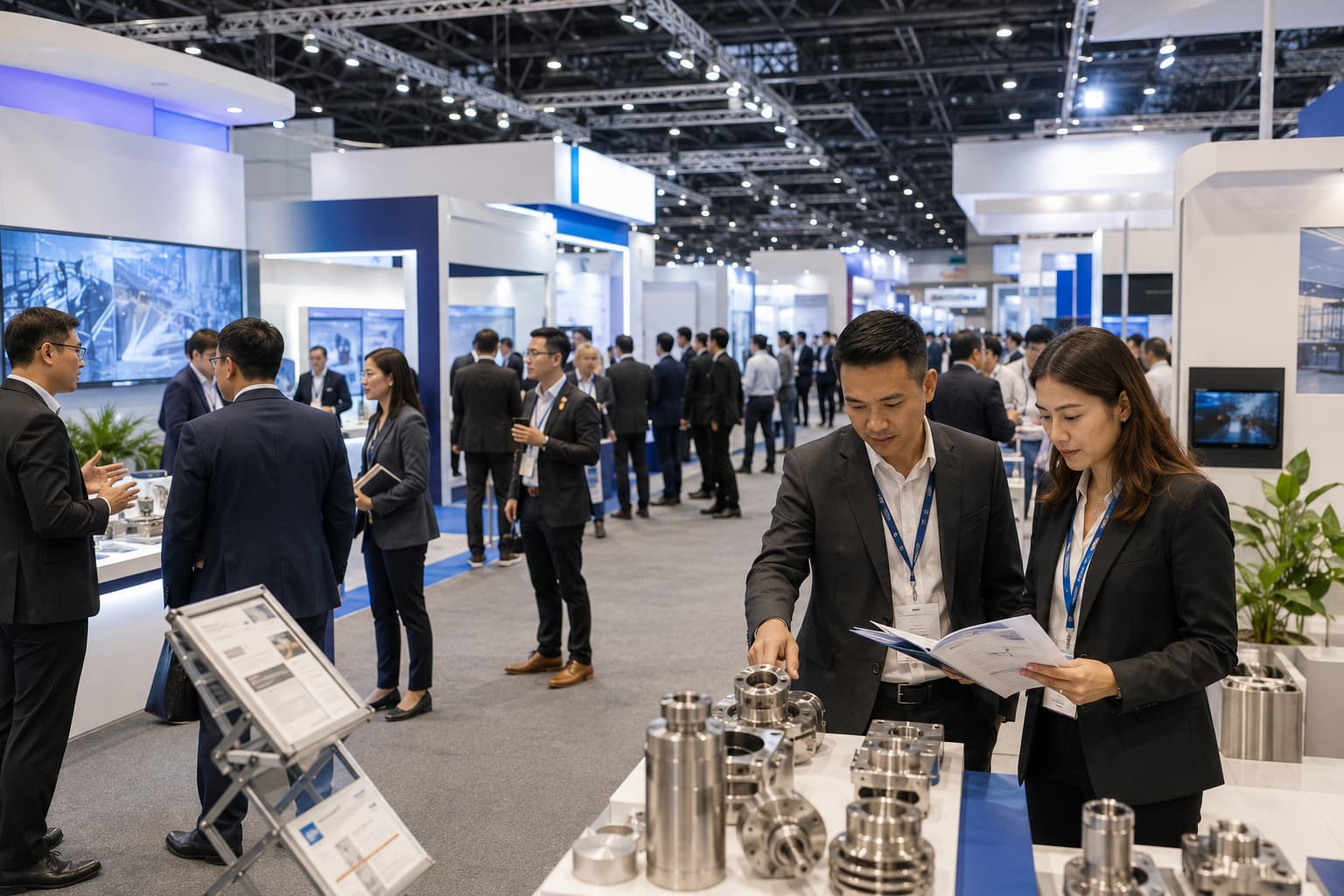
Interactive booths are commonly seen at malls, trade shows and festivals. They encourage consumers to participate through digital screens, interactive games and sampling activities, creating hands-on experiences and leaving a lasting impression. It also allows consumers to learn and understand more about the products or services.
Live demonstrations are one way to build consumers’ trust as brands are allowed to showcase their product features and benefits in real time. It allows consumers to see how the product works before purchasing it. Products such as gadgets, beauty products, and appliances can benefit from this type of experiential marketing.
Another popular type of experiential marketing is brand activations, which are high-energy campaigns designed to introduce or reintroduce a product or service to the target audience using unique and memorable experiences. These activations include immersive installations, creative stunts, or influencer collaborations that can create viral content, bringing the brand to life.
A successful experiential marketing campaign requires strategic planning, creativity, logistics and seamless execution. Event marketing companies and experiential marketing agencies help brands in many areas to execute a successful campaign. These include:
Measuring experiential marketing success can help brands understand how effective their marketing efforts and investments are. Common KPIs include:
Experiential marketing is one of the most effective ways to make your brand stand out and to connect with modern consumers. Creating fun, immersive and memorable experiences can draw attention and build long-term relationships, thus driving sales. With the right marketing strategy, you can transform how people perceive your brand.
If you’re planning to elevate your brand through impactful experiential marketing campaigns, choose to partner with The Magnet Group, one of the leading event planning and management companies in Malaysia. You can trust us to bring your vision to life with creativity and precision! Contact us today for more information!