April 20, 2026
The events industry has grown dramatically, especially in recent years, thanks to the rapid advancement of digital technologies. The rise in shifting audience expectations and the increasing demand for more flexible engagement in events are also some of the reasons why the events industry has evolved.
Brands today no longer need to choose between physical and virtual events, as hybrid events are becoming increasingly popular, offering the best of both worlds! What is a hybrid event? Here’s everything you should know about hybrid events!
If you’re wondering what a hybrid event is, a hybrid event is a meeting, conference, workshop or trade show that seamlessly combines physical (in-person) and virtual (online) audiences into a single unified event, allowing attendees to attend either physically at a venue or digitally online from anywhere in the world.
This makes events more inclusive, scalable and flexible, ensuring everyone can participate no matter where they are. In other words, simply put one event, two types of audiences (physical and virtual) and one shared experience!
Using smart event technologies and carefully thought-out design, hybrid events can merge both worlds, allowing everyone, including virtual participants, to feel included and connected. Below is how hybrid events combine physical and virtual elements:

Here are the types of hybrid corporate events that the hybrid format can be applied to:
Hybrid corporate conferences and summits combine an in-person audience with remote participants tuning in through livestream. In this type of hybrid event, remote attendees tuning in from anywhere in the world can watch keynote presentations and participate in Q&A sessions. Plus, organizers can accommodate unlimited online viewers without having to expand the size of the physical venue.
Hybrid product launches generally take place with the media, influencers and VIPs in the venue, and global participants can join in virtually via livestream. In this hybrid event, brands can showcase their new products to both local and international online audiences.
Trainers can conduct training sessions and workshops with a small physical group, while virtual learners can participate through digital platforms. This is suitable for organizations with teams spread across different locations, where some participants are unable to attend physically. Plus, the training sessions can be recorded for future upskilling or onboarding. With the right skills, remote participants can be fully engaged in the sessions.
Another type of hybrid event is hybrid exhibitions and trade shows, where physical booths, product demos and networking sessions are set with virtual booths and digital product showcases so remote participants can also join in virtually. Through an online platform, virtual participants can also browse booths, schedule meetings and view demos online.
Award ceremonies and gala events are typically held at a hotel ballroom. Nominees, sponsors and guests who are unable to attend can join via livestream. This allows everyone to join the event in-person or online. In this case, online audiences can still vote, interact and celebrate in real time through a digital platform.
Companies and organizations with large networks, especially those with international teams, can benefit from this hybrid event, reducing cost and logistics.
There are several key benefits of organizing hybrid events. Our top 5 key benefits include the following:
By organizing a hybrid event, organizers can reach a wider audience as it allows them to engage both physical attendees and virtual participants from any location around the world. While many people hope to be present at the event in person, some, however, may not be able to make it and therefore, by blending both traditional and digital elements, hybrid events can help reach many remote audiences, allowing them to join effortlessly.
People with tight schedules or last-minute conflicts can still be part of the event virtually. Having a digital platform during the event may also attract new audiences which contributes to an increase in attendance.
Another advantage of organizing a hybrid event is the flexible participation options that attendees have the freedom to choose. Having both physical and virtual options allows participants to choose how they want to experience the event.
This matters because of last-minute changes such as illness, weather changes, travel delays or work commitments that cause the attendees to miss out on the event physically. However, with a virtual option, they can still attend the event online.
One important benefit of having a hybrid event is that it allows organizers to scale their events without increasing the physical venue costs and other associated costs. With a hybrid event, organizers can keep a small, premium physical event while hosting an unlimited number of attendees online.
With a hybrid event, organizers will not have to spend so much on travel, accommodations, catering and logistics. Apart from that, virtual booths and digital content help reduce production costs for exhibitions and trade shows.
Hybrid events offer more opportunities for interactions across both live and virtual channels due to the ability of attendees to join live Q&A sessions, polls, chatrooms, and breakout sessions online. Use virtual tools such as live chats and reactions to boost overall engagement as well as interactive features to make the event more fun, interactive and memorable, keeping participants active and engaged throughout the event.
Hybrid events draw a greater crowd, as there is an unlimited number of participants who can join online, thus drawing more sponsors who are willing to support the event. A wider audience is important for sponsors, as a larger audience reach leads to higher sponsorship value.
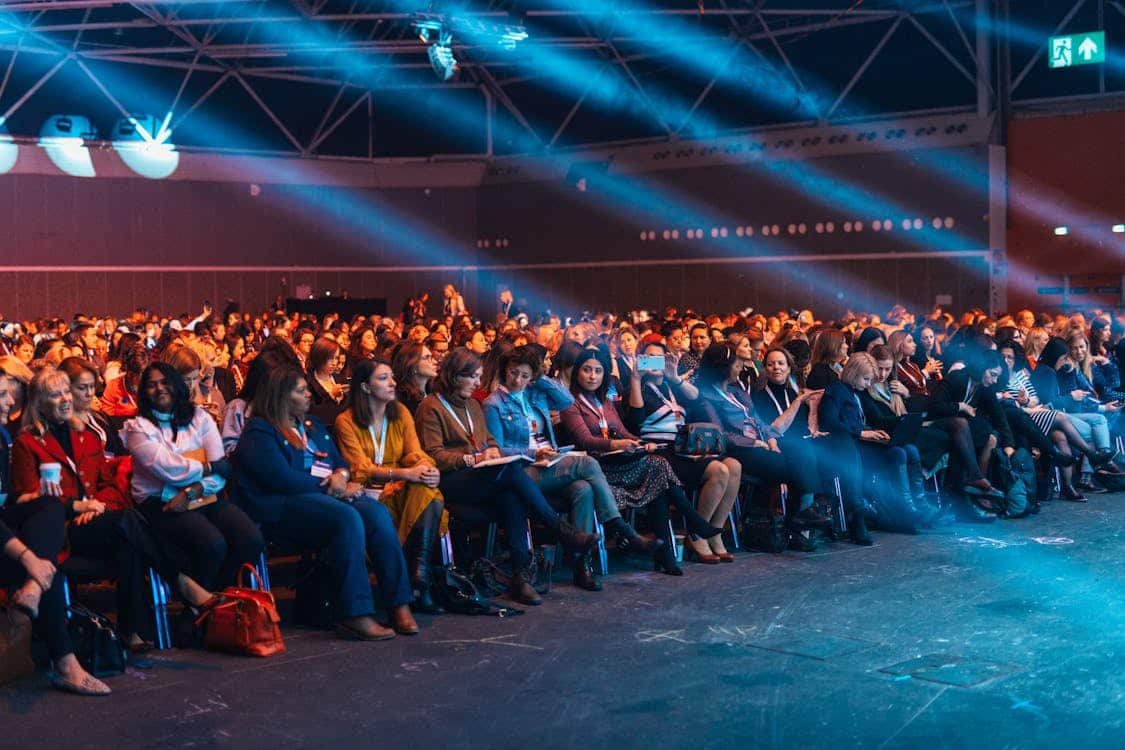
Hybrid events are best organized for brands when:
Blending physical and virtual audiences in a single event allows your brand to have a wider reach, create more impact and increase engagement and deliver memorable experiences across multiple platforms. It has become increasingly popular in the events industry in recent years, allowing brands to communicate, engage and create stronger connections.
If you’re planning a hybrid event, consider partnering with The Magnet Group, an award-winning event management and event organizer in Malaysia. From corporate conferences to seminars, allow us to bring your hybrid event to life! Contact us today for more information.